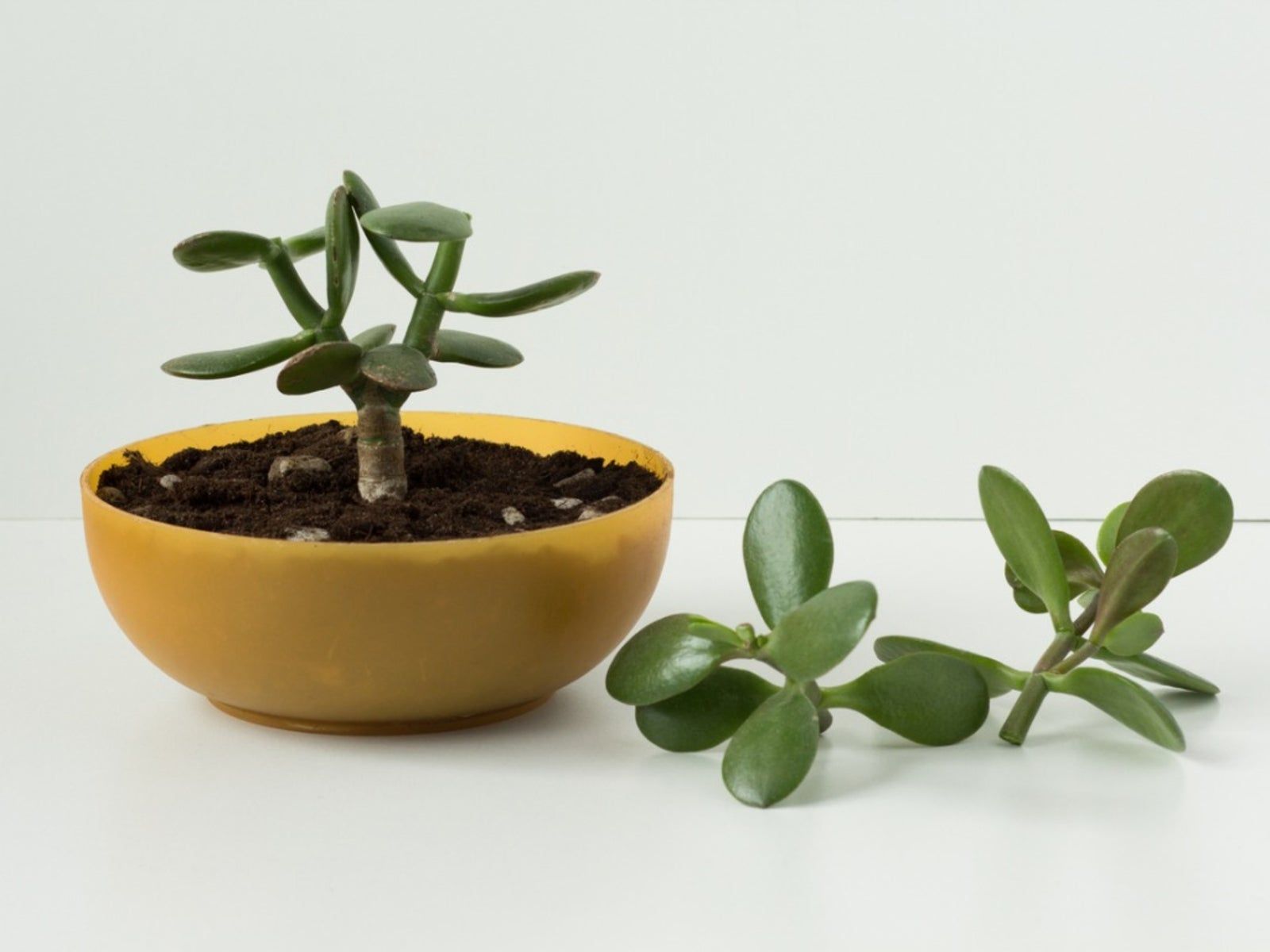
How to Propagate Jade Plants: Your Complete Guide
Jade plants (Crassula ovata) are more than just attractive succulents; they're symbols of good fortune and prosperity, making them cherished additions to any home or office. Renowned for their resilience and striking appearance, these low-maintenance beauties are also incredibly satisfying to propagate. If you've ever wondered how to propagate jade plant varieties to expand your collection, share with friends, or simply revive an ailing specimen, you're in the right place. This comprehensive guide will walk you through the simple, rewarding process, ensuring you master the art of jade plant propagation.
Why Propagate Your Jade Plant?
There are numerous compelling reasons to embark on the journey of jade plant propagation:
- Expand Your Collection: Easily multiply your favorite jade varieties without purchasing new plants.
- Share the Wealth: Jade plants make thoughtful, low-cost yet symbolic gifts for housewarmings, birthdays, or just to spread a little good luck.
- Rejuvenate Overgrown Plants: Mature jade plants can become top-heavy or unruly. Propagation through methods like trunk division or stem cuttings allows you to prune them back, reducing weight, encouraging bushier growth, and creating new, healthy plants from the trimmings.
- Save an Unhealthy Plant: If your jade plant is suffering from issues like root rot or bacterial soft rot on its stems, you can often salvage healthy leaves or stem sections to start anew, giving your beloved plant a second chance at life.
- Enjoy the Process: Propagation is a slow but incredibly rewarding experience, offering a deeper connection to your plants and a sense of accomplishment as you watch new life emerge.
Jade plants are known for their incredible longevity, often thriving for over thirty years with proper care. Learning how to propagate jade plant ensures this legacy can continue for generations.
Understanding Jade Plant Propagation: An Overview
In their natural habitats, jade plants have an impressive ability to spread through detached leaves and branches. A fallen leaf, especially one with a piece of the stem or 'node' attached, can readily develop roots and new growth if conditions are right, particularly with sufficient soil moisture. The specialized cells at these nodes are remarkably adaptable, differentiating into roots, branches, or leaves as needed to establish a new plant.
While some plants are easily propagated from seeds, jade plants present a challenge in indoor environments due to the absence of natural pollinators. Fortunately, nature has provided us with highly effective vegetative propagation methods. There are three primary, easy ways to increase your jade plant collection, each suited to different plant sizes, ages, and propagation goals:
- Trunk Division: Ideal for very large, mature plants.
- Stem Cuttings: A versatile method for moderate to mature plants.
- Leaf Cuttings: Perfect for young plants or as a last resort for struggling ones.
For a deeper dive into which method might be best for your specific plant, you can explore Easy Ways to Propagate Jade Plants: A Method for Every Age, and for a direct comparison, check out Jade Plant Propagation: Trunk, Stem, or Leaf? Compare Methods.
Detailed Propagation Methods
Let's explore each method in detail, helping you choose the best approach for your specific jade plant.
1. Trunk Division
Best for: Overgrown, very mature jade plants (typically 10+ years old) with multiple, well-established trunks or large offshoots growing close to the base. This method is excellent if you desire a new, full-sized plant almost immediately.
How to do it:
- Identify Divisions: Look for distinct trunks or large offshoots that have their own root systems or can be cleanly separated from the parent plant at the base. Plants over 5 years old may start to develop offshoots suitable for this.
- Prepare Your Tools: Use a sharp, sterilized knife or pruning shears to make clean cuts. This minimizes damage to the plant and prevents the spread of disease.
- Separate: Carefully unpot the plant and gently tease apart the root ball to identify natural divisions. For large offshoots, cut them cleanly where they attach to the main stem, ensuring each division has a good portion of roots.
- Potting: Plant each division into its own pot filled with a well-draining succulent or cactus soil mix. Since these divisions already have roots, they can be watered lightly after potting.
Expert Tip: This method yields the fastest results in terms of plant size, as you're essentially transplanting an already established, albeit smaller, plant. However, it requires a significantly mature parent plant.
2. Stem Cuttings
Best for: Mature jade plants (typically 5+ years old) that are becoming top-heavy or need a good prune. This is a highly popular and efficient method for creating new plants.
How to do it:
- Select Cuttings: Choose healthy, robust stems that are 4-6 inches (10-15 cm) long. Look for stems with several leaves and at least two nodes (where leaves attach).
- Make the Cut: Using sharp, sterilized shears or a knife, make a clean cut just below a node. Remove the leaves from the bottom 1-2 inches of the cutting to expose the nodes.
- Callus: This is a crucial step! Lay the cuttings in a dry, well-ventilated area away from direct sunlight for 3-7 days. This allows the cut end to form a protective callus, preventing rot when planted.
- Rooting Medium: Once callused, your stem cutting is ready to be planted. You have several options:
- Jade Soil Mix: Plant the callused end into a pot filled with well-draining succulent/cactus soil. Bury about 1-2 inches of the stem.
- Perlite/Coco Peat: For an alternative, use 100% perlite or coco peat, which offers excellent aeration and moisture retention.
- Water Propagation (with caution): While less common for jade, some successfully root stems in water. Ensure only the very bottom of the stem is submerged, and change the water frequently to prevent rot. Move to soil once roots appear.
- Care: Place the potted cutting in bright, indirect light. Wait about a week before giving a light watering, then water sparingly only when the soil is completely dry. Roots typically form within 4-8 weeks.
Expert Tip: Avoid overwatering your newly planted stem cuttings. Too much moisture before roots have formed is the quickest way to cause rot. A slight wiggle test will tell you if roots have developed – if there's resistance, it's rooting!
3. Leaf Cuttings
Best for: Young jade plants not yet suitable for stem or trunk division, or as a "last resort" if your plant has extensive root rot or stem issues and only healthy leaves remain. This method requires the most patience.
How to do it:
- Select Leaves: Choose plump, full-sized, mature leaves from a healthy part of the plant. These leaves have larger energy and moisture reserves, significantly increasing their chances of success. Ensure the leaf is removed cleanly from the stem, ideally with a tiny piece of the node attached, by gently twisting or pulling.
- Callus: Just like with stem cuttings, allow the leaf to callus for 2-5 days in a dry, well-ventilated spot.
- Rooting Medium: Lay the callused leaf flat on top of a moist, well-draining succulent soil mix in a shallow tray or pot. You can slightly embed the cut end into the soil.
- Care: Place the tray in bright, indirect light. Mist the soil lightly every few days, or when the surface feels dry, to maintain a slightly humid environment without making it soggy.
- Patience is Key: Roots will typically develop from the callused end, growing down into the soil, while tiny new leaf buds will emerge above the soil. This process can take several weeks to a few months. New shoots grow slowly, often only 2-4 inches (5-10 cm) per year, so it may take up to 2 years for a new plant to resemble a small jade.
Expert Tip: Resist the urge to tug at the leaves to check for roots. Just observe patiently. The original mother leaf will shrivel and eventually fall off once the new plant has fully established itself, having used its stored energy to fuel the new growth.
Essential Tools and Care Tips for Propagation Success
While jade propagation is straightforward, having the right tools and following some basic care guidelines will significantly boost your success rate:
- Sharp, Sterile Cutting Tools: Always use clean, sharp scissors, pruning shears, or a knife to make precise cuts. Sterilize them with rubbing alcohol before each use to prevent disease.
- Well-Draining Soil Mix: A specialized succulent or cactus potting mix is essential. These mixes typically contain perlite, sand, or grit to ensure excellent drainage and aeration, preventing root rot.
- Proper Drainage Pots: Always use pots with drainage holes. Terra cotta pots are excellent as they allow the soil to breathe and dry out more quickly.
- Rooting Hormone (Optional): While not strictly necessary for jade plants, applying a rooting hormone to the callused ends of stem cuttings can sometimes accelerate root development.
- Bright, Indirect Light: New propagations, especially leaves and young stem cuttings, thrive in bright, indirect light. Harsh, direct sunlight can scorch delicate new growth.
- Mindful Watering: This is perhaps the most critical aspect of jade propagation. Overwatering is the number one killer. Always allow the soil to dry out completely between waterings. For leaf cuttings, a gentle misting of the soil surface is often enough.
- Patience: Jade propagation is a journey, not a sprint. Be patient, observe your cuttings, and resist the urge to fuss over them too much. Growth might seem slow initially, but with consistent, correct care, you will be rewarded.
Conclusion
Learning how to propagate jade plant varieties is a skill that empowers you to grow your collection, share beautiful gifts, and even save struggling plants. Whether you opt for the immediate satisfaction of trunk division, the efficiency of stem cuttings, or the patient reward of leaf propagation, each method offers a unique and fulfilling experience. With the right tools, a little patience, and adherence to these simple guidelines, you'll soon be nurturing a thriving family of these beloved good luck charms. Happy propagating!